Spirulina

Spirulina to Lower Cholesterol: How This Superfood Supports Heart Health

Iron is an essential mineral that plays a critical role in producing hemoglobin, a protein in red blood cells responsible for carrying oxygen throughout the body. A lack of sufficient iron can lead to anemia, a condition characterized by fatigue, weakness, and decreased immunity. While
iron supplements are a common remedy for addressing iron deficiency, many people are turning to natural sources like Spirulina for a holistic, nutrient-rich solution. Spirulina, a blue-green algae, is known for its high iron content and bioavailability, making it an excellent option for
those looking to boost their iron levels naturally.

Why Is Iron Important?
Iron is vital for numerous bodily functions, the most significant of which is oxygen transport. It forms an integral part of hemoglobin and myoglobin, proteins that carry oxygen from the lungs to tissues and muscles. Iron also supports a healthy immune system, aids in energy production, and assists in the synthesis of DNA. Iron deficiency can lead to anemia, characterized by symptoms such as fatigue, dizziness, shortness of breath, and a weakened immune response. Therefore, maintaining adequate iron levels is crucial for overall health and well-being.

Spirulina: A Rich, Natural Source of Iron
Spirulina is packed with a wide range of essential nutrients, and iron is one of its most notable components. Just one tablespoon (around 7 grams) of Spirulina powder can provide up to 2 mg of iron, which is about 11% of the recommended daily intake for men and 9% for women. This high concentration makes Spirulina one of the best plant based sources of iron, particularly beneficial for vegetarians, vegans, or those with dietary restrictions that limit their intake of traditional iron-rich foods like meat or fish. What sets Spirulina apart from other plant-based iron sources is its high bioavailability. The iron in Spirulina is highly absorbable, allowing the body to efficiently utilize it. Unlike non-heme iron from most plant foods, which is harder for the body to absorb, the iron in Spirulina is more easily processed by the digestive system, increasing its effectiveness in combating iron deficiency.

How Spirulina Helps Increase Iron Levels:

1. Easily Absorbed Iron: Spirulina provides a form of iron that is more bioavailable than other plant sources. This means that the body can absorb and utilize it more effectively, helping to quickly replenish iron stores and improve red blood cell production.

2. Supports Hemoglobin Production: Spirulina contains essential nutrients, including iron, folic acid, and vitamin  12, which work together to support the production of hemoglobin. Folic acid and vitamin B12 are key players in red blood cell formation, ensuring that the body can efficiently use the iron it receives. This combination makes Spirulina an excellent supplement for people with iron deficiency anemia.

3. Rich in Vitamin C: While Spirulina itself is not a significant source of vitamin C, pairing it with vitamin C-rich foods (such as citrus fruits) can enhance iron absorption. The vitamin C in these foods helps convert iron into a form that is easier for the body to absorb,
maximizing the iron-boosting benefits of Spirulina.

4. Boosts Energy: One of the main symptoms of iron deficiency is fatigue. By helping to increase iron levels, Spirulina supports the body’s oxygen transport system, thereby improving energy production and reducing symptoms of tiredness and lethargy. How to Use Spirulina to Increase Iron Levels To harness Spirulina’s iron-boosting properties, it’s essential to incorporate it into your daily routine effectively.

Here are some ways to use Spirulina in your diet for increasing iron levels:

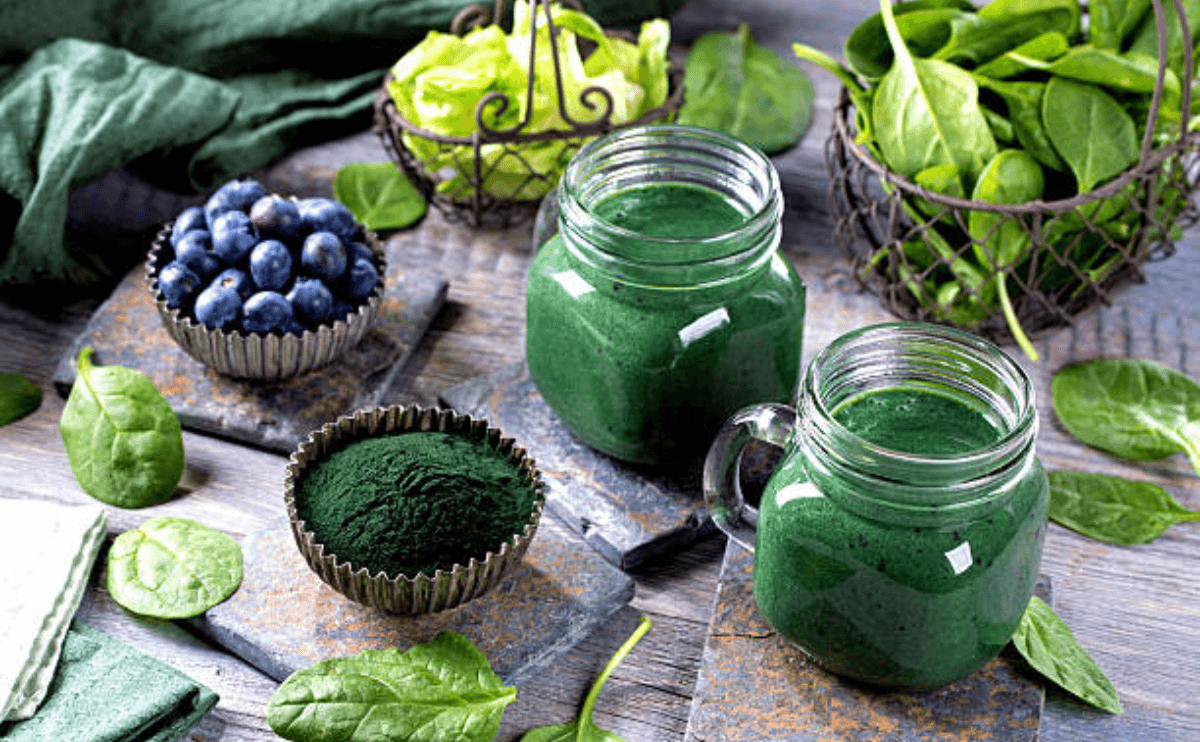
Smoothies: Add a teaspoon of Spirulina powder to your morning smoothie, blending it with vitamin C-rich fruits like oranges, strawberries, or pineapples. This combination not only boosts iron intake but also enhances its absorption due to the vitamin C content.

Juices: Mix Spirulina into freshly squeezed fruit juices. Citrus-based juices (orange, lemon, grapefruit) work particularly well, both for flavor and for their high vitamin C content.

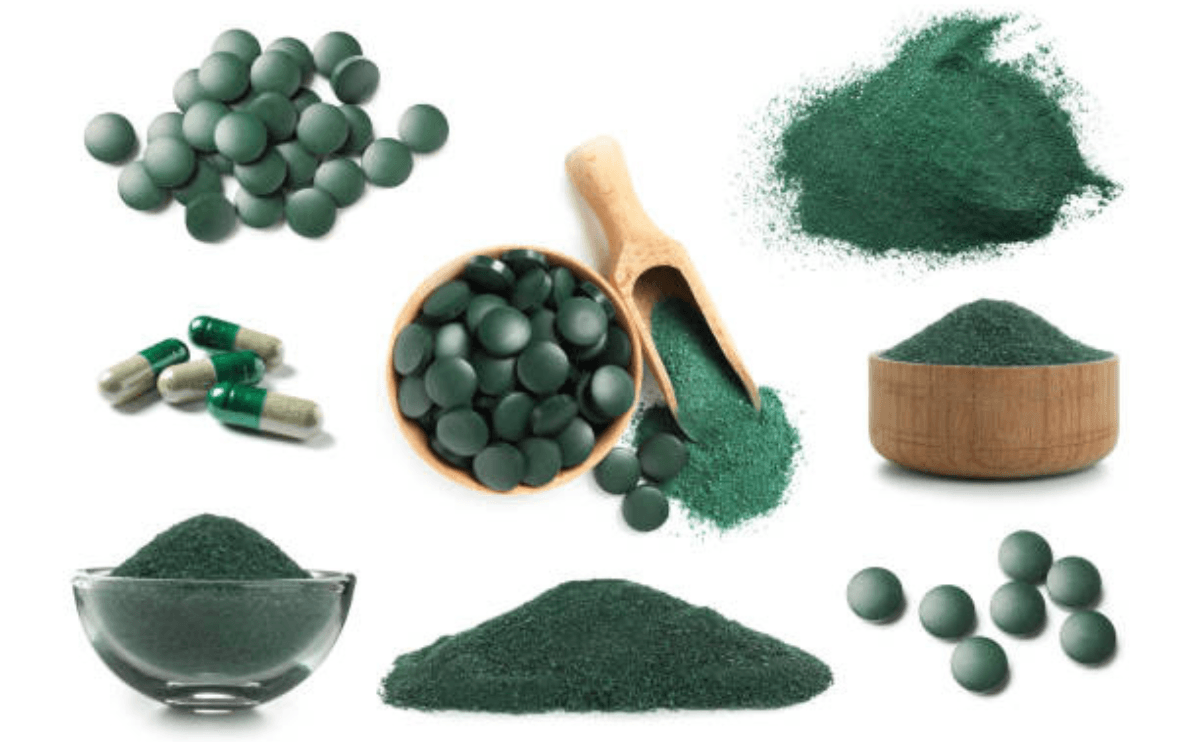
Capsules or Tablets: If you’re not a fan of Spirulina’s earthy taste, taking it in tablet or capsule form is a convenient alternative. Follow the recommended dosage, typically 1-3 grams per day, to ensure adequate iron intake.

Sprinkle on Meals: Sprinkle Spirulina powder over salads, soups, or snacks for an added nutrient boost. Pair it with foods like spinach, nuts, and seeds to further enhance your meal’s overall iron content.

Consult a Healthcare Professional: If you have a known iron deficiency or anemia, it’s advisable to consult a healthcare professional before adding Spirulina to your routine.

They can help determine the appropriate dosage and monitor your iron levels to ensure you’re getting the right amount.

Final Thoughts: Spirulina offers a natural, nutrient-rich solution for increasing iron levels and combating iron deficiency. Its high bioavailability, combined with a broad range of essential nutrients, makes it an excellent supplement for those looking  to improve their energy levels, boost immunity, and support overall wellness.

By incorporating Spirulina into your daily diet, you can address iron deficiency in a holistic, gentle way that aligns with a balanced, health conscious lifestyle. Whether you prefer it in powder form for smoothies and juices or in convenient capsules, Spirulina provides an effective and versatile means to naturally boost your iron intake. Alongside a varied and nutrient-rich diet, Spirulina can help you maintain optimal iron levels, enhancing your energy, vitality, and quality of life.


Leave a Reply

Your email address will not be published. Required fields are marked *